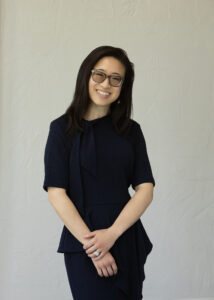
Meet Kimberly Ku, MD, Principal Investigator for PRECEDE at Illinois CancerCare
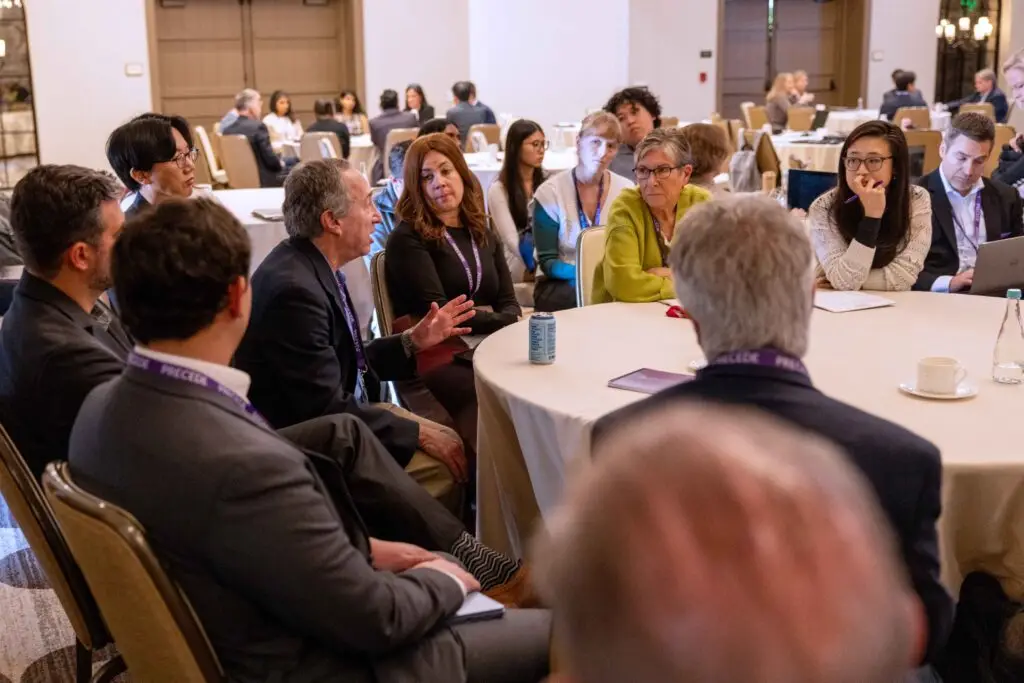
The PRECEDE Consortium brings together investigators and institutions around the world with a shared goal: improving the early detection of pancreatic cancer.
In our new PRECEDE Site Spotlight series, we are taking a closer look at the people and institutions helping advance this work on the ground — from major academic medical centers to community-based practices bringing research closer to patients.
To kick off our first spotlight, we spoke with Kimberly Ku, MD, Principal Investigator for PRECEDE at Illinois CancerCare, about the role community oncology can play in expanding access to research and reaching patients who may live far from major academic medical centers.
What does “community oncology” mean, and how is it different from care at a major academic medical center?
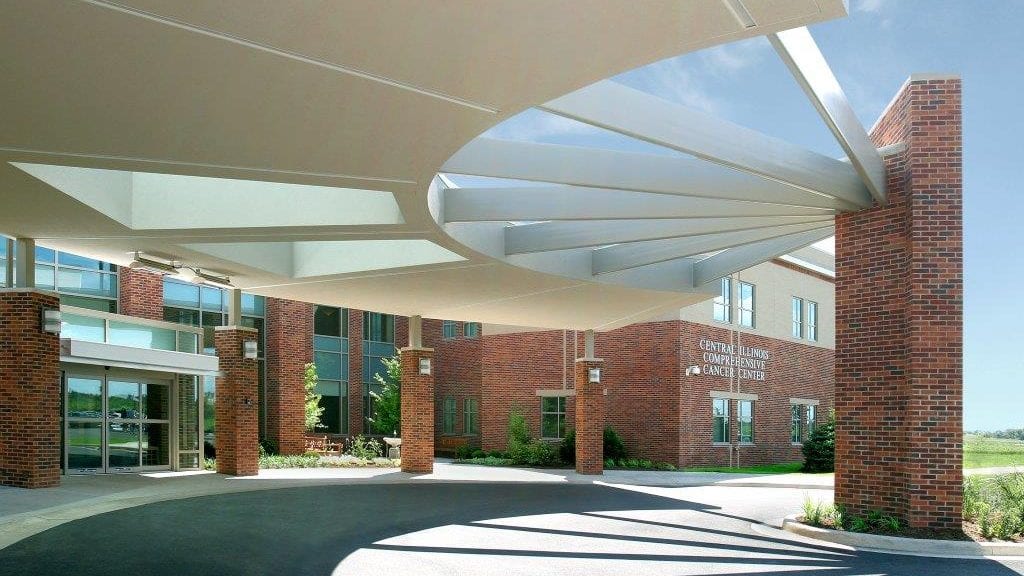
Community oncology embodies the patient-centric, highly collaborative belief and advocacy that sophisticated care and research do not require relocation or exclude anyone unable to physically reach an academic-center. At Illinois CancerCare, we have 13 locations, and our physicians travel throughout central Illinois, including to more rural communities. That allows patients to receive cancer care closer to home when traveling to a large academic center may not be practical and yet also behind the community scene includes our providers who participate in shared care networks across the nation including US Oncology which allow us to work closely with academic and research institutions. It does not have to be one or the other. Collaboration allows us to share resources and help connect patients with the care and research opportunities that they feel are more personalized for them.
Why is it important to include community oncology practices in research efforts like PRECEDE?
If we want research to benefit as many people as possible, we have to reach patients where they receive their care. Community practices see patients across a wide geographic area, including many who may never walk through the doors of a major academic medical center or hospital campus. Participating in research networks like PRECEDE can help extend opportunities to those communities.
There can be a perception among community physicians that participating in research requires extensive new infrastructure. But many practices already have strong networks and research capabilities. Sometimes what is needed most is awareness and mentorship to overcome any concerns regarding operational workflow as well as regulatory and financial barriers. Like most successes in life, a large component comes from having the can-do mindset alongside integration within a supportive network such as PRECEDE and leadership guidance from centers such as ours to provide one of many possible models on how to get involved.
What are some of the challenges you see when trying to connect patients with research?
One challenge is identifying the patients who are actually eligible. Research teams need to understand the enrollment criteria, and practices need systems in place to capture important information such as family history.
There can also be hesitation among patients who are unfamiliar with research or have concerns about participating. Language, culture and historical experiences of where medicine could have done better for communities can all play a role. That is why trust and communication are so important in order to meet patients where they are while also helping them inquire about the possible benefits that research may have for them and for society at large. Sometimes it means spending more time and investing curiosity in asking a patient what specific concerns they have and what we might be able to do to help them make participation easier.
Are there particular challenges to reaching patients in rural communities?
The biggest question is whether research opportunities are reaching patients who need access the most at outreach locations as effectively as they reach patients at a main office. That requires looking closely at how a practice operates as well as understanding the major social determinants contributing to community research participation challenges. Are potentially eligible patients being identified? Does the care team know what to look for? Are there opportunities to discuss research with patients who may need additional time or support? Additionally are we adequately accounting for transportation, time away from work, workforce limitations, specialist access, technology, and other structural barriers? Creative shifts in operations and resourceful outreach among our community can make a meaningful difference in problem solving.
What would you say to other community oncologists who may be interested in becoming involved in research?
Do not automatically assume you cannot do it. Many community practices are already part of larger networks and have more research infrastructure than they may realize. With the right support and partnerships, participation may not be as heavy a lift as it initially seems, or that research labor and infrastructure are fixed challenges. The more community practices and academic institutions can work together, the more patients we can potentially reach together, which further compounds our capability as a network to meet our research milestones as well as increase the breadth of our shared innovative partnerships.
Why did you choose a career in hematology and oncology?
During my medical school application season, a college friend was diagnosed with cancer. That experience led me toward hematology and oncology, and along the way I was fortunate to meet inspiring mentors who reinforced both my career choice and my personal growth.
Cancer care has also changed tremendously since I began practicing. Advances such as immunotherapy and personalized targeted treatments based on cancer genomics and molecular biology are giving us new ways to treat patients while better judging tradeoffs by actively reducing and managing toxicities associated with traditional treatments. At the same time, we have become increasingly focused on supportive care and helping patients not only live longer, but live better, more connected, more present lives closer to home and loved ones. Creating our work around patient goals has parallelled how the world today is constantly changing and adapting to new innovations in order to improve equitability in quality of life, a deeper sense of life balance, and self-understanding on a global scale.
Why did you choose Illinois CancerCare?
Trusted mentors and colleagues introduced me to Illinois CancerCare, and I saw an opportunity to provide high-quality community-based oncology while helping expand access to clinical trials and research. Bloomington has also been a genuinely meaningful home for my family. My experience here has reinforced how important it is for community practices to combine excellent clinical care with research access, thoughtful leadership and a culture that continually works to earn the trust of patients and its people.
What do you hope Illinois CancerCare’s involvement in PRECEDE can ultimately accomplish?
I hope we can continue finding ways to connect more patients with research through restoring their sense of trust in the medical community, while expanding awareness of pancreatic cancer early detection in order to help defuse fears and uncertainties that come from having risk factors such as family history. I also hope our involvement demonstrates the important role community oncology can play in collaborative research which does not always have to look like large centers or medical campuses. High quality and authentically empathetic community practices care for patients every day across cities, small towns and rural communities by virtue of being immersed in the same social factors as the patients these practices serve. Bringing those practices into research networks can help us reach more people, learn in ways that challenge preconceived notions, and make the research more representative of the ever better world we want to see and live in.