One of the biggest challenges in pancreatic cancer care is that the disease usually isn’t diagnosed until it’s already advanced. Because early stages often cause no noticeable symptoms and there’s currently no routine screening test, most people find out they have pancreatic cancer only after it has progressed, when treatment options are limited and prognosis is poor.
Liquid biopsies are emerging as one of the most promising tools to change this reality.
What Is a Liquid Biopsy?
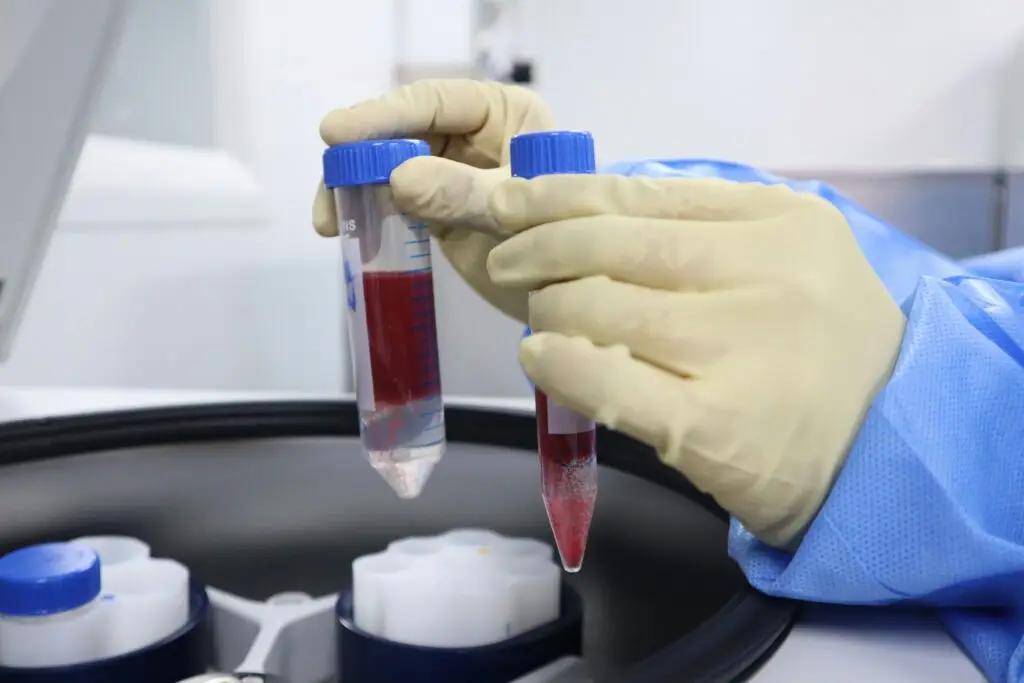
A liquid biopsy is a simple, non‑invasive test that looks for traces of cancer in bodily fluids like blood. Unlike traditional tissue biopsies, which require surgery or imaging‑guided procedures, liquid biopsies only need a blood draw, making them easier to perform repeatedly.
These tests detect tiny fragments of cancer‑related material circulating in the bloodstream, including:
- Cell‑free tumor DNA (cfDNA)
- MicroRNAs and other RNA molecules
- Exosomes (tiny cellular “packages” that carry genetic information)
Because tumors shed these markers into the blood, researchers can analyze them to spot signs of cancer even before symptoms appear.
How Liquid Biopsies Could Detect Pancreatic Cancer Early
Recent studies show that liquid biopsies may be able to identify pancreatic cancer in its early stages, when it’s most treatable. For example, researchers have developed an exosome‑based liquid biopsy that analyzes small RNA molecules released by pancreatic tumors. When this liquid biopsy is combined with the traditional blood marker CA 19‑9, it accurately detects early‑stage pancreatic cancers in up to 97% of cases in study groups from multiple countries.
Liquid biopsy approaches like these are especially hopeful because:
- They can potentially find cancer before imaging tests would.
- They require only a blood sample, so they could be used more widely and frequently.
- They may work best for people at higher risk, such as those with a family history of pancreatic cancer, inherited genetic mutations, chronic pancreatitis, or new‑onset diabetes.
Why This Matters
Detecting pancreatic cancer earlier could dramatically improve survival. For people diagnosed before the disease spreads beyond the pancreas, the five‑year survival rate is around 44%, compared with just about 3% for late‑stage diagnoses.
And while more work is needed before liquid biopsies become approved screening tools, these advances represent a major step toward the holy grail of pancreatic cancer care: finding the disease early enough to make curative treatment possible.
Looking Ahead
Liquid biopsies are still under research and evaluation. Scientists are working to confirm their accuracy in larger, diverse populations and to understand how best to use them in real‑world clinical settings. But the potential impact is enormous: one day, a simple blood test could help detect pancreatic cancer when it’s most treatable, saving lives that might otherwise be lost to this silent but deadly disease.