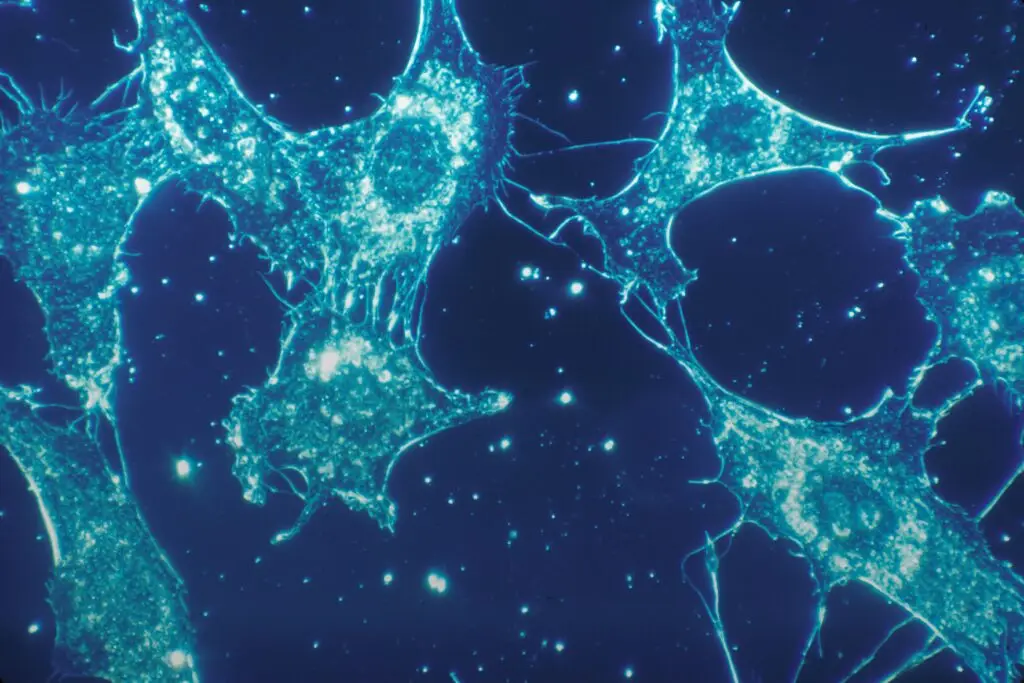
The Power of Progress: May is National Cancer Research Month

May 1, 2026
Precede Foundation

Each May, National Cancer Research Month highlights the importance of scientific discovery, innovation, and continued investment in the fight against cancer. For PRECEDE, it’s a meaningful time to spotlight efforts focused on improving early detection, especially for pancreatic cancer.

Why Research Matters

Cancer research drives every breakthrough, from earlier diagnoses to more effective, personalized treatments. While progress has been made across many cancer types, pancreatic cancer remains particularly difficult to detect early, often leading to later-stage diagnoses and lower survival rates.

Advancing Early Detection

PRECEDE is working to change that. By studying high-risk individuals and advancing research in genetics, biomarkers, and imaging, the goal is to identify pancreatic cancer sooner, when treatment is most effective. Collaboration across global research institutions is key to accelerating this progress.

A Future Fueled by Innovation

Emerging advancements like mRNA technology and precision medicine are paving the way for more proactive and personalized care. These breakthroughs offer hope, but continued awareness and support are essential to move research forward.

How to Get Involved

  • Stay informed about new research
  • Support cancer research initiatives
  • Advocate for early detection and funding
  • Share awareness within your community

This May, we recognize the people and progress behind cancer research and the work still ahead. Together, we can help shape a future where cancers like pancreatic cancer are detected earlier and treated more effectively.


Knowing When To Ask For Help

There’s strength in recognizing when you need additional support. If you’re feeling consistently overwhelmed, anxious, or depressed, it may be time to speak with a healthcare professional. Warning signs can include ongoing sleep trouble, loss of appetite, or emotional numbness.

Mental health care is an important part of cancer recovery. There are therapists, social workers, and cancer-specific counselors trained to support your unique needs. Don’t hesitate to seek them out.

Your medical team can help adjust medications or recommend physical therapy if your symptoms are impacting your daily life. Being honest about your struggles allows your care providers to offer better, more personalized support.

The path to recovery from pancreatic cancer is rarely straightforward. It’s a mix of triumphs and setbacks, strength and vulnerability. But through each high and low, healing is happening. Be gentle with yourself. Allow space for rest, reflection, and growth.

You don’t have to go through this journey alone. With the right support, emotional, physical, and practical, you can move forward, one step at a time. And remember, every day you show up for yourself is a victory.

At TrovaNOW, we’re focused on finding a cure for pancreatic cancer. Every test and discovery brings us closer to better treatments and saving lives. Join us and learn more at TrovaNOW.

What Is a Liquid Biopsy and How Could It Detect Pancreatic Cancer Earlier?

One of the biggest challenges in pancreatic cancer care is...

Dr. Diane Simeone Discusses the Importance of Collaboration in Cancer Care in Recent CancerNetwork Interview

Pancreatic cancer remains one of the most challenging cancers to...

The Latest Updates in Cancer Research and Treatment for 2026

Advances in research and technology are rapidly transforming how cancer...