
Portugal to be a New Site in PRECEDE’s Consortium!

December 27, 2025
Precede Foundation

An exciting milestone for PRECEDE took place this month as a leading Portuguese research center announced they are joining the PRECEDE Consortium. The news emerged during the Botton-Champalimaud International Pancreatic Cancer Conference in Lisbon, where PRECEDE’s Chief Scientific Advisor, Dr. Diane Simeone, delivered a keynote address on what has become the world’s largest coordinated study focused on identifying pancreatic cancer at its earliest, most treatable stages.

This represents a significant step not only for Portugal but for Europe as a whole, strengthening PRECEDE’s presence across the continent and expanding its reach into regions with rising pancreatic cancer incidence.

The announcement generated local media coverage, including a feature in the Portuguese outlet Observador, which described Dr. Simeone and PRECEDE’s research efforts as the “largest study ever” against pancreatic cancer and emphasized the transformative potential of early detection.

Dr. Simeone has long been a global leader in pancreatic cancer research and clinical care. Her vision that early detection is the gateway to meaningful change has shaped PRECEDE’s design and its expansion across continents. During the conference, her keynote was introduced as one of the most important talks of the event, and the packed auditorium solidified that sentiment.

Her message resonated deeply: If survival rates are to change, research must scale.
Small, isolated studies cannot answer the big questions. Only a global, coordinated, community-driven effort can. Dr. Simeone often emphasizes that to change the survival curve, the field must move faster, from walking to running. The addition of Portugal, under the direction of Dr. Carlos Carvalho, brings PRECEDE one step closer to that goal, expanding the collective power of researchers, clinicians, patients, and advocates worldwide.

Knowing When To Ask For Help

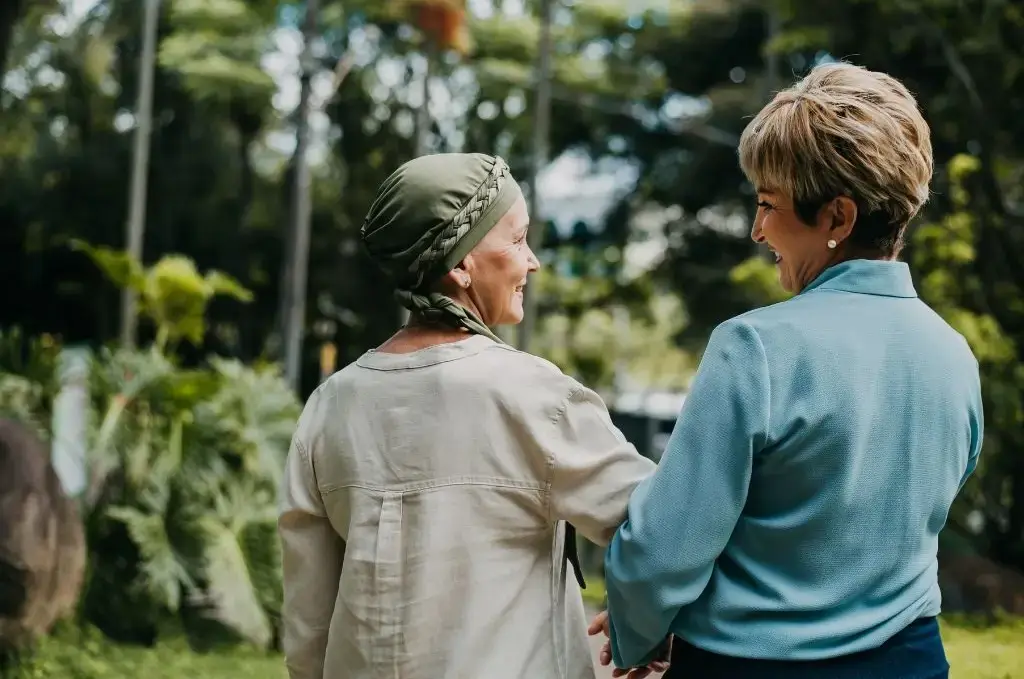
There’s strength in recognizing when you need additional support. If you’re feeling consistently overwhelmed, anxious, or depressed, it may be time to speak with a healthcare professional. Warning signs can include ongoing sleep trouble, loss of appetite, or emotional numbness.

Mental health care is an important part of cancer recovery. There are therapists, social workers, and cancer-specific counselors trained to support your unique needs. Don’t hesitate to seek them out.

Your medical team can help adjust medications or recommend physical therapy if your symptoms are impacting your daily life. Being honest about your struggles allows your care providers to offer better, more personalized support.

The path to recovery from pancreatic cancer is rarely straightforward. It’s a mix of triumphs and setbacks, strength and vulnerability. But through each high and low, healing is happening. Be gentle with yourself. Allow space for rest, reflection, and growth.

You don’t have to go through this journey alone. With the right support, emotional, physical, and practical, you can move forward, one step at a time. And remember, every day you show up for yourself is a victory.

At TrovaNOW, we’re focused on finding a cure for pancreatic cancer. Every test and discovery brings us closer to better treatments and saving lives. Join us and learn more at TrovaNOW.

Stories of Hope: Changing the Future of Pancreatic Cancer, One Life at a Time

People often ask us, “How do you work on pancreatic...

Visual related to is the pancreatic cancer survival rate improving in 2024?

Why Early Detection Saves Lives

Pancreatic cancer is one of the deadliest cancers — not...

Donor supporting pancreatic cancer research

Giving Tuesday: Change the Future for Pancreatic Cancer

Each year, Giving Tuesday reminds us of the power of...