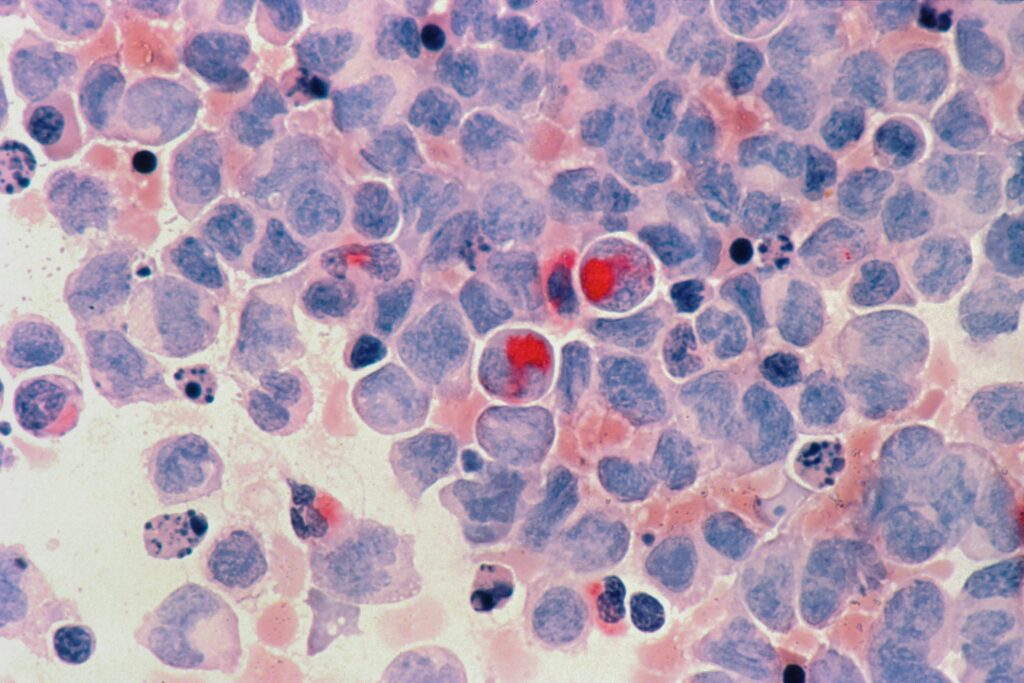
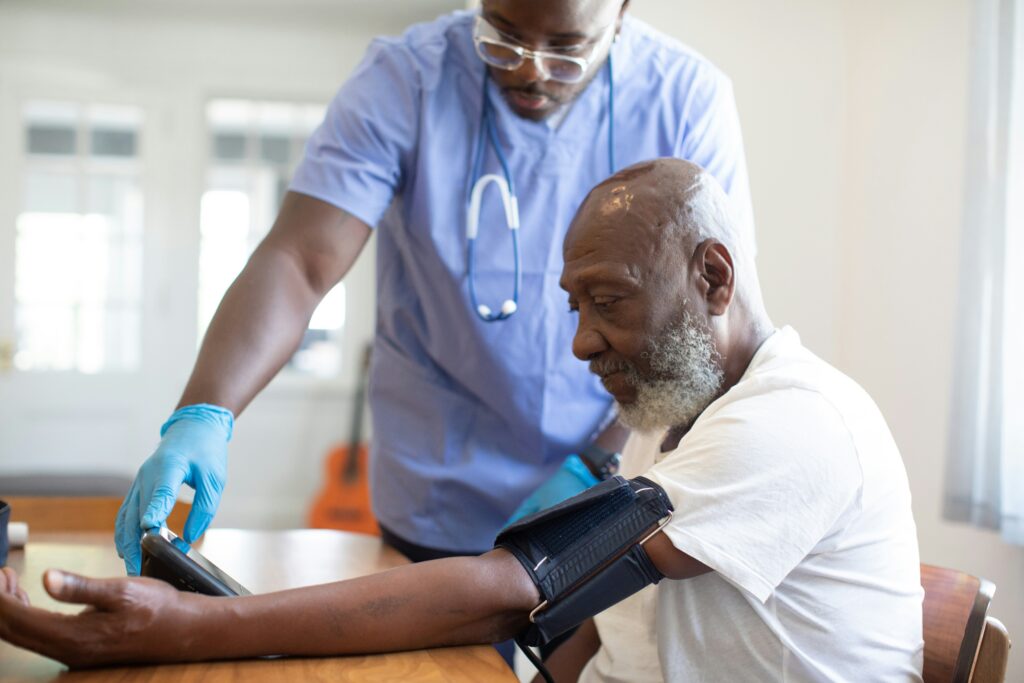
Every November, we come together to remember the people we have lost to pancreatic cancer, to stand beside those facing it today, and to honor the families and caregivers who walk alongside them. For far too many, this disease arrives without warning. Pancreatic cancer is now the third leading cause of cancer death, with a five-year survival rate of just 13%, largely because it is usually found too late. At PRECEDE, we believe that can change. Our goal is to raise that rate to 50% by finding pancreatic cancer earlier, when there is still time to act.
Why pancreatic cancer is so hard to catch
The pancreas sits deep in the abdomen, so early tumors usually cannot be felt and often cause no symptoms. When symptoms do appear, they can be vague and easy to mistake for other conditions. As a result, most people are diagnosed after the cancer has already spread, when treatment options are limited.
Without new strategies, pancreatic cancer is projected to become the second leading cause of cancer death this decade. That is why finding it earlier is the single most important lever we have.
Early detection works
When pancreatic cancer is found early, the outlook changes dramatically. Through the PRECEDE Consortium, a network of 65 sites around the world with more than 13,000 enrolled patients, researchers follow people at higher risk with a standardized surveillance protocol.
This approach is already changing outcomes. To date, PRECEDE has identified 49 screen-detected pancreatic cancers, and 40 of them were found at stage 0 or 1, or when tumors were under 2 cm. Patients diagnosed at that point have an 87% five-year survival rate, compared to 13% overall. PRECEDE has also detected 155 other cancers.
Join us on World Pancreatic Cancer Day
World Pancreatic Cancer Day falls on Thursday, November 19. To mark the occasion, PRECEDE Founder Dr. Diane Simeone will join a panel of early detection experts for PanCAN’s free virtual Right Track Live event, “Pancreatic Cancer Early Detection: What’s on the Horizon?” at 11 a.m. PT / 2 p.m. ET. Register for the free webinar on PanCAN’s site.
Help us reach 50%
This Pancreatic Cancer Awareness Month, two generous supporters are matching every gift dollar for dollar, up to $100,000, through Giving Tuesday, December 1. Your donation helps fund the research that finds pancreatic cancer earlier and saves lives.
Frequently asked questions
When is Pancreatic Cancer Awareness Month?
Pancreatic Cancer Awareness Month takes place every November. World Pancreatic Cancer Day falls within it; in 2026 it is Thursday, November 19.
What is the survival rate for pancreatic cancer?
The overall five-year survival rate for pancreatic cancer is about 13%. When it is found early through surveillance, outcomes are far better: in the PRECEDE program, patients whose cancer was caught at stage 0 or 1, or under 2 cm, have an 87% five-year survival rate.
Can pancreatic cancer be detected early?
Yes, in people at higher risk who are monitored through structured surveillance. Of the 49 cancers found through PRECEDE’s program, 40 were detected at the earliest stages. Researchers are also developing AI imaging tools and blood-based tests to expand early detection to more people.
Who should be screened for pancreatic cancer?
Screening is generally recommended only for people at higher risk, such as those with a strong family history or an inherited genetic variant linked to pancreatic cancer. Talk with your doctor or a genetic counselor to understand your risk.
What color is the pancreatic cancer awareness ribbon?
The pancreatic cancer awareness color is purple.