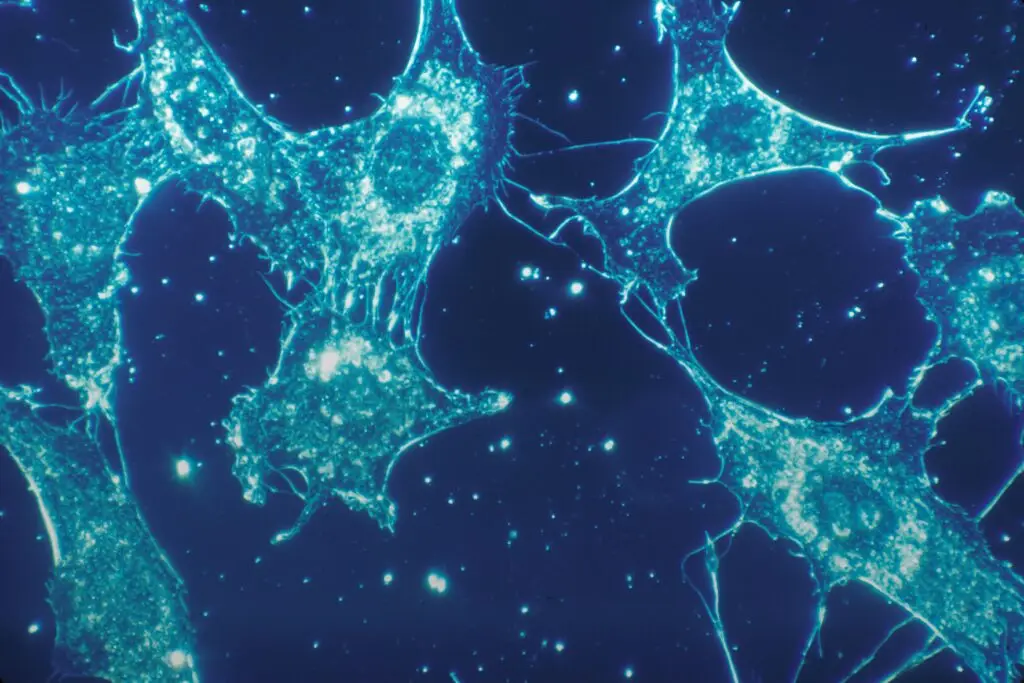
Pancreatic cancer remains one of the deadliest cancers, with a five-year survival rate of just 13%, largely because most cases are diagnosed at an advanced stage. Progress is accelerating—not from isolated labs—but through global collaboration, as scientists and institutions work together across borders to improve early detection and treatment.
Why Collaboration Matters
Pancreatic cancer is complex and relatively rare, making it difficult for any single institution to gather sufficient data or expertise. By pooling knowledge, patient data, and resources internationally, researchers can build larger datasets, conduct more robust clinical studies, and validate findings across diverse populations, advancing both early detection and therapeutic strategies.
Pooling Expertise Across Institutions
Leading centers such as University of Pennsylvania, McGill University Health Centre, and University of California San Francisco are at the forefront of cancer research and care. Through PRECEDE, they collaborate closely, sharing data, biospecimens, and insights in real time.
This coordinated approach enables researchers to study pancreatic cancer risk at an unprecedented scale, integrating expertise in genomics, imaging, and clinical care to better understand disease development and identify opportunities for earlier detection.
Global Coalitions and Shared Priorities
With participation from institutions including the University of Michigan, University of Verona Italy, and the Epworth HealthCare Australia, PRECEDE is building a global network focused on early detection. Each site contributes to a shared, longitudinal study of high-risk individuals, tracking genetic risk, imaging, and clinical outcomes over time.
By standardizing data and biospecimen collection, PRECEDE ensures that findings are consistent and comparable across populations—strengthening discoveries and accelerating their path to clinical application.
Accelerating Early Detection and Treatment
Through its coordinated research model, PRECEDE is generating critical insights into how pancreatic cancer develops and progresses. These findings are shaping more targeted screening approaches and informing innovative methods for earlier detection.
With collaboration embedded at its core, the consortium is helping ensure that promising discoveries are translated more efficiently into real-world clinical impact.
The Power of Unified Action
International collaboration amplifies strengths, reduces duplication, and accelerates progress. For pancreatic cancer—where early detection offers the greatest chance of survival—these partnerships are essential. By sharing data, aligning priorities, and working across borders, the research community is driving meaningful progress toward earlier detection, better treatments, and improved outcomes worldwide.